Serving Castro Valley, CA and surrounding areas. (510) 947-6192
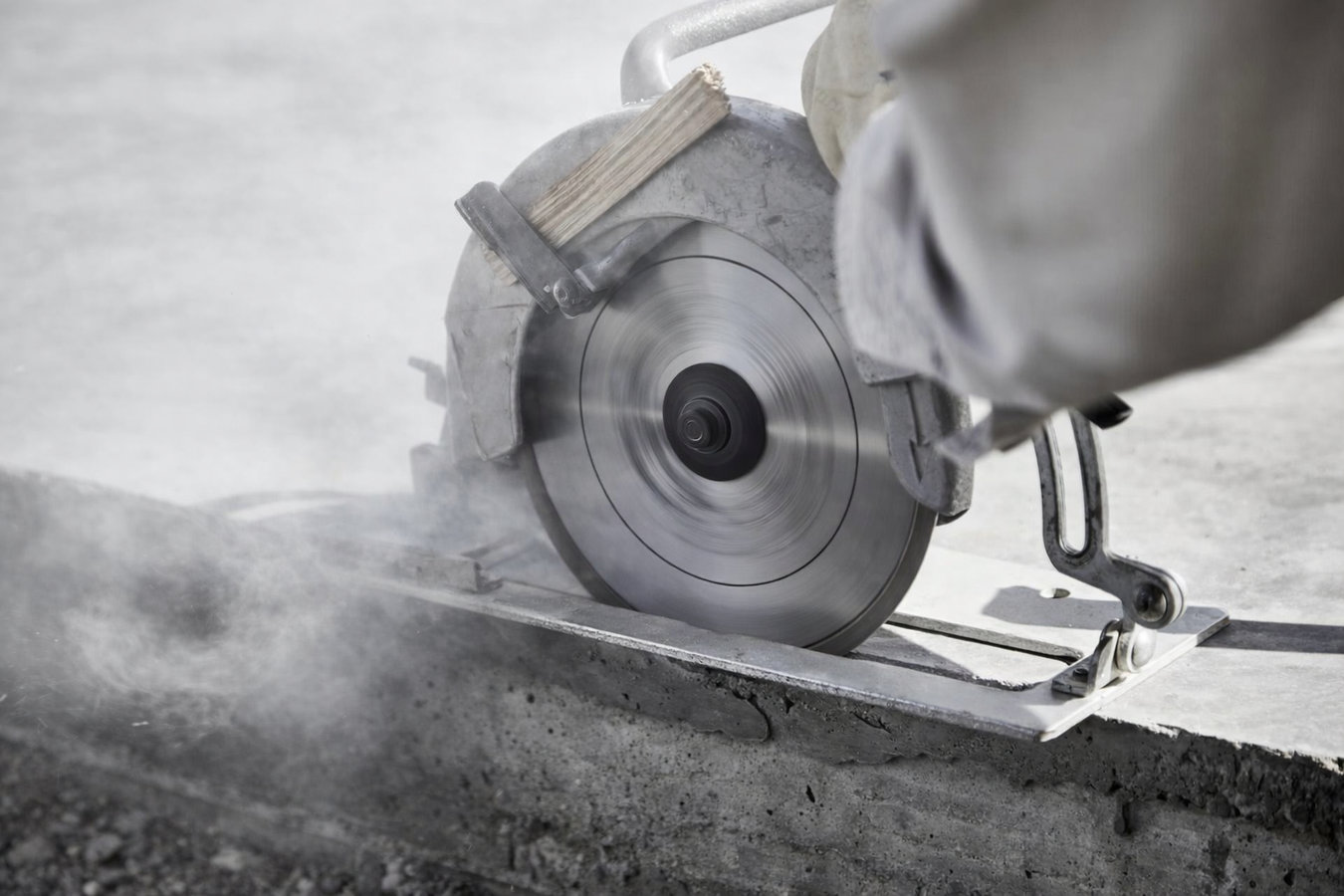
Cracked driveways, drainage problems, remodel openings, or control joints that have failed - we cut clean, straight lines that solve the problem without damaging the concrete around it.
Concrete cutting in Castro Valley uses diamond-blade saws to slice through hardened concrete cleanly and precisely - most residential jobs take two to five hours from setup to cleanup, and the result is a straight edge that preserves the surrounding slab rather than demolishing it.
Most Castro Valley homeowners call for cutting in one of four situations: removing a damaged section of driveway or patio, adding control joints to a slab that is cracking randomly because it has none, cutting a drainage channel to stop water from pooling against the foundation, or opening a garage wall or foundation for a remodel. In all four cases, cutting is the precise solution - you remove or modify exactly what needs changing without touching the concrete around it.
For projects where the full slab needs to come out and be replaced, our concrete floor installation service handles the complete scope from removal through new pour.
If you can see a crack in your driveway or garage floor that was not there a year ago - or one that seems to be growing - the concrete is moving in a way it was not designed to. In Castro Valley, the clay-heavy soil expands in winter and contracts in summer, and that movement shows up as cracking that gets worse over time. Cutting out the damaged section stops the problem from spreading to the rest of the slab.
When one section of a walkway or driveway has lifted or dropped relative to the section next to it, you have an edge that can catch someone's foot. This kind of heaving is common in Castro Valley because of soil movement, and it tends to get worse after rainy winters. Concrete cutting allows a contractor to remove the raised section cleanly so it can be leveled and repoured.
Castro Valley gets most of its rain between November and April, and if water sits against your foundation or collects in low spots on your driveway after a storm, poor drainage is likely the cause. Cutting a drainage channel into existing concrete is one of the most effective ways to redirect that water away from your home before it contributes to foundation settling or interior moisture problems.
Concrete needs planned joints - intentional shallow cuts - to give it a place to flex as temperatures and moisture levels change. If your driveway or patio was poured without them, or if the original joints have filled in and are no longer doing their job, random cracking is the result. Having a contractor cut new joints is far less expensive than replacing the whole slab, and it stops the cracking pattern in its tracks.
We use walk-behind flat saws for open driveway and patio work, and handheld or wall saws for tighter spaces like garages, foundation walls, and interior slabs. Every cut uses water to suppress dust and cool the blade - because the fine particles in concrete dust are a health concern, and California requires licensed contractors to control them on every job. The crew sets up, marks the cut lines, cuts, removes any broken-out sections, and cleans up the slurry before leaving. You get a clean surface and straight edges, not a construction mess.
For projects that go beyond cutting into full new construction, our concrete driveway building service replaces the entire driveway slab, designed with proper joint spacing and base depth for Castro Valley clay soils. When cutting reveals that a complete floor needs to be replaced, our concrete floor installation service handles the full pour from base preparation through finished surface.
For driveways, patios, and garage floors that are cracking randomly because the slab has no planned relief joints - the most cost-effective way to stop the cracking pattern.
For slabs where one or two sections have cracked, heaved, or settled while the rest of the concrete is still good - cutting removes only what needs to go.
For homeowners whose driveways or patios collect water that then sits against the foundation - we cut channels that slope toward a drain or away from the structure.
For garage walls, foundation walls, or interior slabs that need to be opened for a new door, plumbing run, or structural modification - permits handled when required.
Castro Valley has hilly terrain, expansive clay soils, and a housing stock where most homes were built in the 1950s through 1970s - and that combination creates challenges that a contractor without local experience may not anticipate. Cutting on a sloped driveway requires extra care to contain the water-and-concrete slurry that runs off during the cut - on a hill, that slurry flows fast and can spread across a large area if the crew does not set up containment properly. Older concrete from that postwar era can have inconsistent thickness, missing rebar documentation, and aggregate that behaves differently under the blade than modern concrete does.
Castro Valley is also unincorporated Alameda County territory, which means permit requirements and inspection processes go through the county rather than a city - and contractors who are used to working in nearby incorporated cities like San Leandro or Hayward sometimes do not realize the permit path is different here. We work in Castro Valley regularly and know the county process from the first call. The Concrete Sawing and Drilling Association sets the professional standards that guide our cutting work, and we apply those standards with the specific awareness of what Castro Valley soil, climate, and housing stock demand.
When you call or message, we ask a few basic questions: what you are trying to accomplish, where the concrete is, and roughly how large the area is. You do not need to know the slab thickness or have measurements ready - a description and some photos are enough to get started.
We come out to check the concrete thickness, look for rebar or utilities, and assess access for our equipment. This visit usually takes 20 to 30 minutes. You receive a written quote shortly after - either on the spot or within a day. No firm price is given over the phone without seeing the job.
If your cutting involves structural work - like opening a foundation wall or modifying a load-bearing element - we handle the Alameda County permit application before work begins. This can add a week or two to the timeline, so it is worth asking about early if you have a deadline.
The crew marks cut lines, sets up water containment, cuts, removes any broken sections, and cleans up the slurry before they leave. Most residential jobs are complete in two to five hours. You get a walk-through at the end so you can see the finished cut lines and ask any questions.
We come out, look at the job, and give you a written price before any work starts - no commitment required at the visit.
(510) 947-6192A significant portion of Castro Valley's homes sit on hillside lots with sloped driveways - and cutting on a grade is different from cutting on flat ground. We set up proper slurry containment on every job and assess older postwar-era slabs before quoting, so there are no surprises about thickness, rebar, or aggregate on the day of the cut.
Concrete cutting dust contains crystalline silica, a particle that causes lung disease with repeated exposure. California has strict rules requiring licensed contractors to control it - and we use wet cutting on every residential job. When you hire us, those protections are in place on your property from the first cut to the last.
We work across Castro Valley and the surrounding East Bay communities every week. That local history means we understand how Castro Valley's unincorporated Alameda County status affects permit requirements - and we navigate that process correctly, without the delays that catch out-of-area contractors off guard.
Every job starts with a written estimate that specifies what is being cut, how many linear feet, what cleanup is included, and whether any permit is required. The California Department of Industrial Relations requires licensed contractors to be transparent about scope and pricing - we follow that standard on every job, regardless of size.
The combination of hillside lots, clay soils, older housing stock, and Alameda County permitting makes Castro Valley a job site that rewards local experience. We bring that experience to every concrete cutting job we take on here.
When a driveway section is beyond cutting and patching, a full replacement driveway pour gives you a fresh slab built to modern thickness and joint specifications.
Learn moreFor interior slabs that need a new pour after damaged sections are removed, our concrete floor installation service handles the complete scope from base prep to finished surface.
Learn moreCastro Valley's wet season starts in November - water pooling on cracked or unjointed concrete gets worse every winter. Call us or request a free estimate today and get it sorted before the next storm.