Serving Castro Valley, CA and surrounding areas. (510) 947-6192
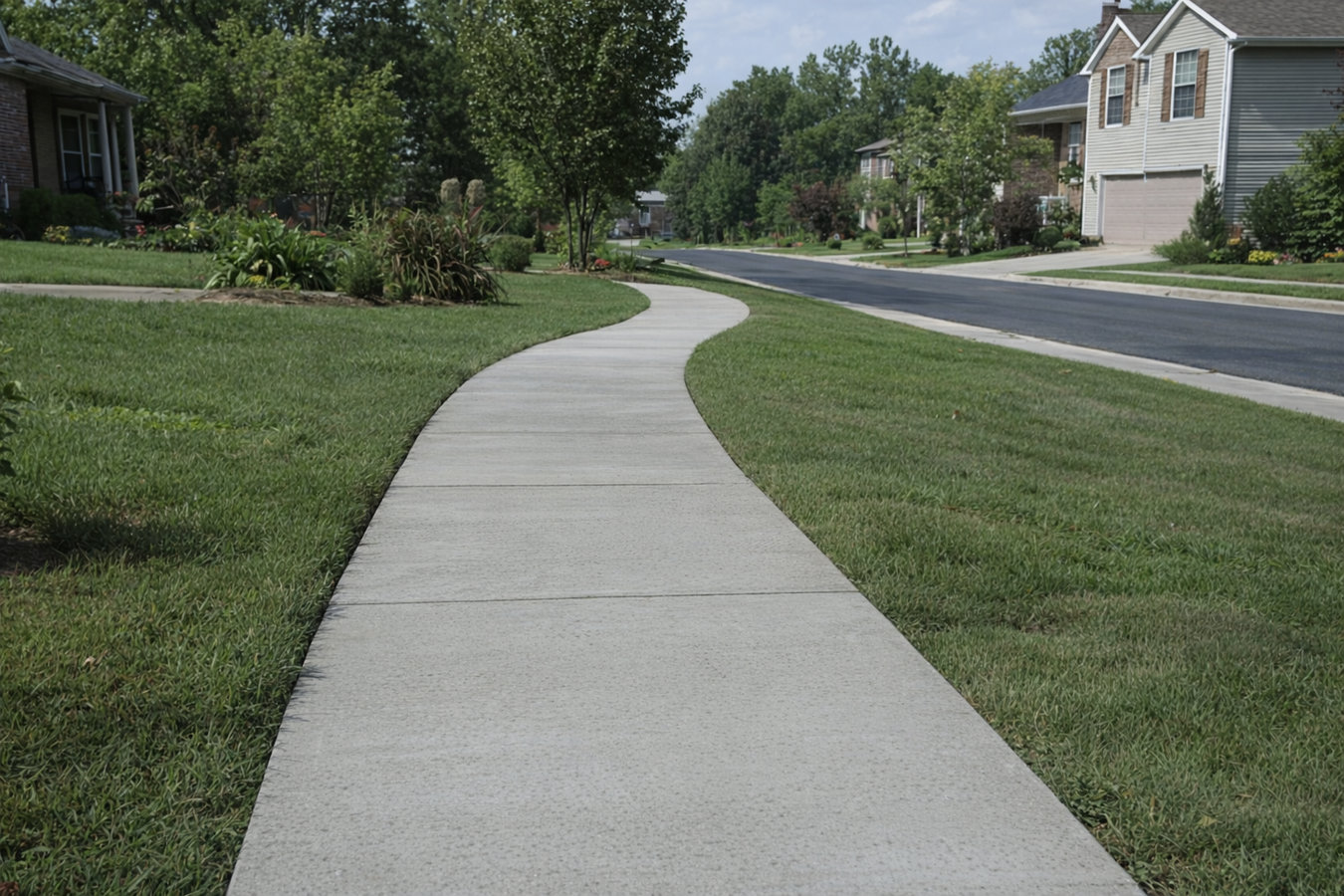
Cracked, sunken, or missing front walkway? We build concrete sidewalks that handle Castro Valley's clay soil, mature tree roots, and wet winters without lifting or crumbling within a few years.
Concrete sidewalk building in Castro Valley means removing whatever is there now, preparing a compacted gravel base, and pouring fresh concrete that cures into a durable walking surface - most standard front walkways are completed in a single day with light foot traffic possible within 48 hours.
Whether you have a crumbling original slab from the 1960s, a walkway heaved by tree roots, or no front path at all, the process is straightforward when handled by someone who knows what Castro Valley's soil and permit requirements actually involve. Many homeowners ask about this work after noticing trips and falls on raised sections - a raised edge of even half an inch is a real safety hazard for kids and older family members. For projects that extend beyond the front walk, our concrete driveway building work pairs naturally with a new sidewalk for a complete curb appeal update. If you want a decorative finish, our garage floor concrete service uses the same quality prep standards indoors.
If one section sits noticeably higher or lower than the one next to it, that is a tripping hazard. In Castro Valley, this is often caused by tree roots pushing up from below or clay soil shifting under the slab. A raised edge of even half an inch is enough to catch a foot - especially at night or for older family members. This is one of the clearest signs that repair or replacement is overdue.
Hairline cracks are usually cosmetic and can be patched. But when cracks are wide enough to catch your fingertip - or when you can see one side sitting higher than the other - the structural integrity is compromised. In Castro Valley's clay-soil conditions, these cracks tend to grow as the ground keeps moving, so waiting rarely makes the problem smaller.
A well-built sidewalk sheds water to the side, not holds it. If you see puddles sitting on your walk after Castro Valley's winter rains, the slab has either settled unevenly or was never graded correctly. Standing water accelerates surface deterioration and creates a slipping hazard, especially on a textured surface that is starting to wear smooth.
When the top layer of concrete starts to peel away in thin chips or the edges are crumbling, the slab has reached the end of its useful life. This is common in Castro Valley's older neighborhoods where original sidewalks are now 50 to 70 years old and were poured thinner than today's standards. Patching can buy a little time, but once breakdown is broad, replacement is usually the more cost-effective choice.
We build new front walkways, replace deteriorated sidewalk sections, and construct paths through side yards and across sloped lots. Every project starts with proper excavation and base compaction - not just pouring over whatever is currently there. We assess the ground conditions, look for root paths that could cause future heaving, and set control joints so the concrete has a place to flex without cracking randomly across the slab. For projects that touch the public right-of-way, we handle Alameda County encroachment permits from start to finish. We also install concrete driveways and can connect a new sidewalk to a driveway apron as part of the same project.
Finish options range from a standard broom texture - which gives good grip when wet - to stamped and colored finishes for homeowners who want more curb appeal. If you are interested in a decorative front path, our garage floor concrete work uses the same quality sealing standards that keep indoor and outdoor surfaces looking clean for years. We seal every sidewalk before we leave and give you maintenance instructions in writing.
The right choice for most homeowners who want a durable, safe, and clean-looking walk without the extra cost of a decorative finish.
Suited for homeowners upgrading curb appeal who want their front path to complement a stamped driveway or patio.
For Castro Valley homes on hillside lots where proper drainage and surface texture are needed to keep the path safe year-round.
When only a section or two has failed, targeted replacement of the damaged panels can restore safety without full demolition.
A large share of Castro Valley homes were built in the 1950s through 1970s, which means many original sidewalks are now 50 to 70 years old. Those slabs were often poured thinner and with less base preparation than today's standards, and they were not built to withstand decades of clay soil movement or root growth from mature trees that were planted before the concrete was ever laid. When we remove an old slab in Castro Valley, we regularly find ground that has settled unevenly, been disturbed by roots, or simply never had enough gravel base. Getting that right before the new pour is not optional - it is the whole reason the new surface will last. We serve homeowners in Oakland and San Leandro who face very similar conditions with older housing stock and established tree canopies.
Because Castro Valley is an unincorporated community under Alameda County jurisdiction, sidewalk work near the street requires an encroachment permit from Alameda County Public Works - not a city permit. Contractors who are not regularly working in this area sometimes miss this or skip it, which can result in a stop-work order or fines that the homeowner ends up dealing with. We know the county process, we handle the application, and we build the permit timeline into your project schedule from the start. Spring and fall are the best times to pour given the Bay Area's wet winters, and booking ahead gives you the most flexibility on scheduling.
We respond within 1 business day. We ask a few basic questions about the walk's length, what is there now, and whether there are trees or slopes nearby. Most estimates require a quick on-site visit because ground conditions in Castro Valley vary a lot from one property to the next.
After the site visit you get a written quote that breaks out demo, base prep, the pour, and any permit fees separately. If your project touches the public right-of-way, we identify the Alameda County permit requirement and build that timeline into the schedule - no surprises mid-project.
On the first work day we remove the old slab, excavate several inches down, and compact the gravel base. We assess any root paths that could cause future heaving and address them before the forms are set. For Castro Valley's clay soil, this step often takes more time than homeowners expect - and it is worth every minute.
The pour usually takes a few hours for a standard residential walkway. We finish the surface, cut the control joints, and clean up the edges. You can walk on it lightly within 24 to 48 hours. Before we leave we walk the finished sidewalk with you and give you maintenance instructions in writing.
We respond within 1 business day, no obligation to move forward. After you submit, someone from our office will call to schedule a free on-site visit so we can assess your ground conditions and give you an accurate written quote - including any permit fees.
(510) 947-6192Castro Valley's combination of mature trees and clay-heavy soil is the main reason sidewalks fail within just a few years of being poured. We look at both before setting a single form, and we take the time to prepare the base correctly for what is actually under your yard.
Because Castro Valley is unincorporated, sidewalk work near the street needs an Alameda County encroachment permit - not a city permit. We know the process, we pull the permit, and we build the approval timeline into your project schedule from the start so there are no surprise delays.
We work across 12 cities and communities in the East Bay, from Castro Valley to Fremont to Livermore. That means we understand regional soil and weather patterns across the whole area, not just one zip code. Local knowledge across the region makes us better at the work in each individual yard.
Not every cracked sidewalk needs full replacement, and we will tell you that honestly if it is true. If patching will hold for years, we will say so. If the slab is showing the kind of deep cracking and edge crumbling common in Castro Valley homes from the 1960s, we will explain why - and give you a clear number. The Alameda County Public Works Agency sets the standards for right-of-way sidewalk work in Castro Valley, and we follow them on every job.
The permit requirements, the soil conditions, and the age of the housing stock here make Castro Valley sidewalk work different from a generic residential pour. We have been doing this work in the area long enough to know what goes wrong and how to prevent it before the concrete truck arrives.
You can also verify contractor licenses through the California Contractors State License Board and review concrete industry standards at the Portland Cement Association.
Replace or upgrade your garage slab with durable concrete that handles vehicle traffic and everyday use.
Learn moreConnect your new front walkway to a full driveway replacement for a complete curb appeal update.
Learn moreSpring and fall slots fill up fast - reach out now so we can fit your project into the dry-weather window before the rainy season closes it.