Serving Castro Valley, CA and surrounding areas. (510) 947-6192
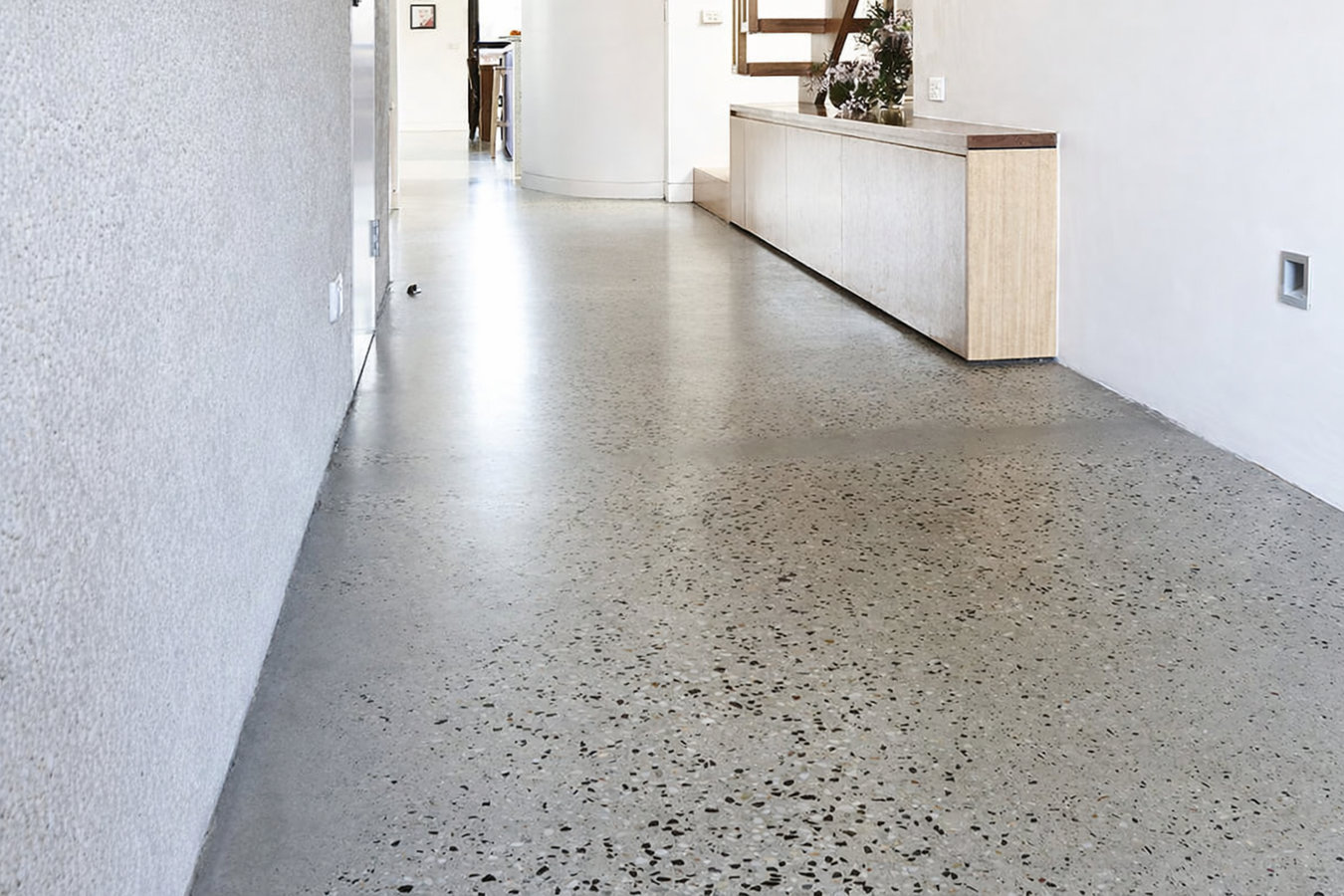
Cracked, uneven, or aging concrete floor? We pour new residential floors in Castro Valley built for the local clay soil - with proper base prep, reinforcement, and county permits handled so your floor stays level for decades.
Concrete floor installation in Castro Valley involves removing the existing surface, compacting the subgrade and laying a gravel base, placing reinforcement, and pouring a new slab - most residential floors take one to three on-site days, with a curing period of 24 to 48 hours before foot traffic and about a week before vehicle access.
A large share of Castro Valley's housing stock dates from the 1950s through the 1970s - and many of those original garage slabs and basement floors are now 50 to 70 years old. Floors from that era were often poured thinner and with less reinforcement than today's standards require. When cracking becomes widespread and the surface starts to dust or flake, replacement is usually more cost-effective than patching.
If you are converting a garage to a living space or want a more finished look, we can add a decorative finish to the new floor. For homeowners who need a purpose-built garage slab with coatings or floor drains, our garage floor concrete service covers those additional details.
Small hairline cracks are normal and usually harmless. But cracks wider than a pencil tip, cracks where one side has shifted higher than the other, or cracks that seem to be growing mean the slab underneath is moving. In Castro Valley, this kind of movement is often caused by clay soil expanding and contracting with seasonal rain - and it tends to get worse, not better, on its own.
If water sits in low spots on your garage floor instead of draining away, the slab has settled unevenly over the years. This is common in areas with clay soil, where the ground shifts enough to tilt a slab slightly. Standing water damages the concrete surface over time and creates a slip hazard - and it is a sign the floor's slope needs to be corrected with a new pour.
If your concrete floor leaves a gray powder on your shoes or on anything you set down on it, the surface layer is breaking down. This is called spalling, and it happens when the top of the concrete has weakened - sometimes from age, sometimes from water damage. Once the surface starts dusting like this, it keeps getting worse and cannot be fixed with a coat of paint or sealer alone.
If your home was built in the 1950s, 1960s, or 1970s - which describes a lot of Castro Valley's housing stock - your original concrete floor may simply be at the end of its useful life. Older slabs often lack the reinforcement or thickness that modern floors have. Multiple cracks running in different directions is a sign replacement is the more practical call.
We handle the full project from demolition through final walkthrough. That means breaking out and hauling away the old slab if needed, compacting the soil, laying a gravel base layer, placing steel mesh or rebar reinforcement, and pouring the concrete with the finish you choose. Control joints are cut in at regular intervals during the pour so cracks happen along clean, planned lines rather than randomly across your floor. We protect the slab during curing with plastic sheeting or a curing compound and walk you through the timeline before we leave.
Decorative options are available for homeowners who want more than a plain gray surface. Stained, polished, or stamped concrete can all be applied after the base slab cures. For outdoor applications near a pool, our concrete pool decks service brings the same base-prep quality to a wet-area application. And for garage-specific needs with coatings or utility features, our garage floor concrete service covers those details.
Best for garages, basements, and utility spaces - durable, slip-resistant, and low maintenance.
Suits interior conversions where tile, flooring, or epoxy coatings will be applied over the concrete.
Adds color and visual depth to a new slab - popular for converted garages and finished basements.
Creates a smooth, shiny surface that works well in living spaces and commercial interiors where appearance matters.
Castro Valley's clay-heavy soils swell when they absorb winter rain and shrink when they dry out through the summer. That repeated movement puts stress on concrete slabs over time, and a floor installed without accounting for it will show cracks within a few seasons. A proper installation starts with soil compaction, a gravel base that buffers that movement, and the right reinforcement inside the slab - none of which you can see once the floor is finished, but all of which determine whether your floor is still flat a decade from now.
Castro Valley is also unincorporated Alameda County, which means permits for new concrete floors - especially garage slabs and anything connected to your home's structure - are issued through the county rather than a city building department. We manage the permit application, schedule the county inspection before the pour, and make sure the job is fully documented. We work throughout the region, including Newark and Fremont, where permit processes and clay soil conditions are similar.
We respond within 1 business day. An on-site visit is important for floor installations - the condition of the existing slab, the soil underneath, and the space dimensions all affect the scope and price in ways a phone call cannot capture accurately.
You receive a written quote that breaks out demolition, materials, labor, and any permit fees separately so you can compare it clearly against other bids. For projects requiring an Alameda County permit, we submit the application and handle the inspection scheduling.
The crew removes the old slab or existing flooring, compacts the soil, and lays a gravel base and reinforcement. For permitted projects, a county inspector checks this work before any concrete is poured - this step is what protects your investment for the long term.
Concrete is poured, leveled, and finished with your chosen texture. Control joints are cut in the same day. We protect the surface during the curing period and walk you through when it is safe for foot traffic, then vehicle traffic, before we leave the site.
We respond within 1 business day. There is no obligation - just a written estimate and a clear explanation of what your project needs.
(510) 947-6192Castro Valley's clay soils move with every rainy season, and a floor poured without accounting for that will crack within a few years. We compact the subgrade, add a proper gravel base, and size the reinforcement to your specific site - because what is under the concrete determines how long it holds up.
As an unincorporated community, Castro Valley's building permits go through Alameda County rather than a city office. We pull every required permit, schedule the pre-pour inspection, and make sure the job is fully documented before we start. A permitted job protects your home's value if you ever sell.
A significant portion of Castro Valley's housing stock is 50 to 70 years old, and many of those original slabs are at the end of their useful life. We have replaced dozens of aging garage slabs and basement floors in this neighborhood and understand what those projects involve - including the demo, haul-away, and base prep that older homes typically need.
You get a written estimate that separates demolition, base prep, pour, finish, and permit fees before we start. If we find unexpected conditions - like a thicker old slab or a drainage problem in the subgrade - we tell you before we make a decision that changes your cost, not after the invoice arrives.
California requires all residential concrete contractors to hold an active license through the Contractors State License Board - you can verify any contractor's license yourself in about a minute. Every floor we pour is permitted, inspected, and backed by a contractor you can look up by name before you sign anything.
Take the same quality base prep and clean finish we bring to floors and apply it to a pool surround built to handle wet feet and UV exposure.
Learn moreNeed a garage-specific floor with coatings or drains? Our garage floor service covers those details from base to finished surface.
Learn moreCastro Valley's dry season is the best time to pour - reach out now to lock in your project date before the schedule fills up.