Serving Castro Valley, CA and surrounding areas. (510) 947-6192
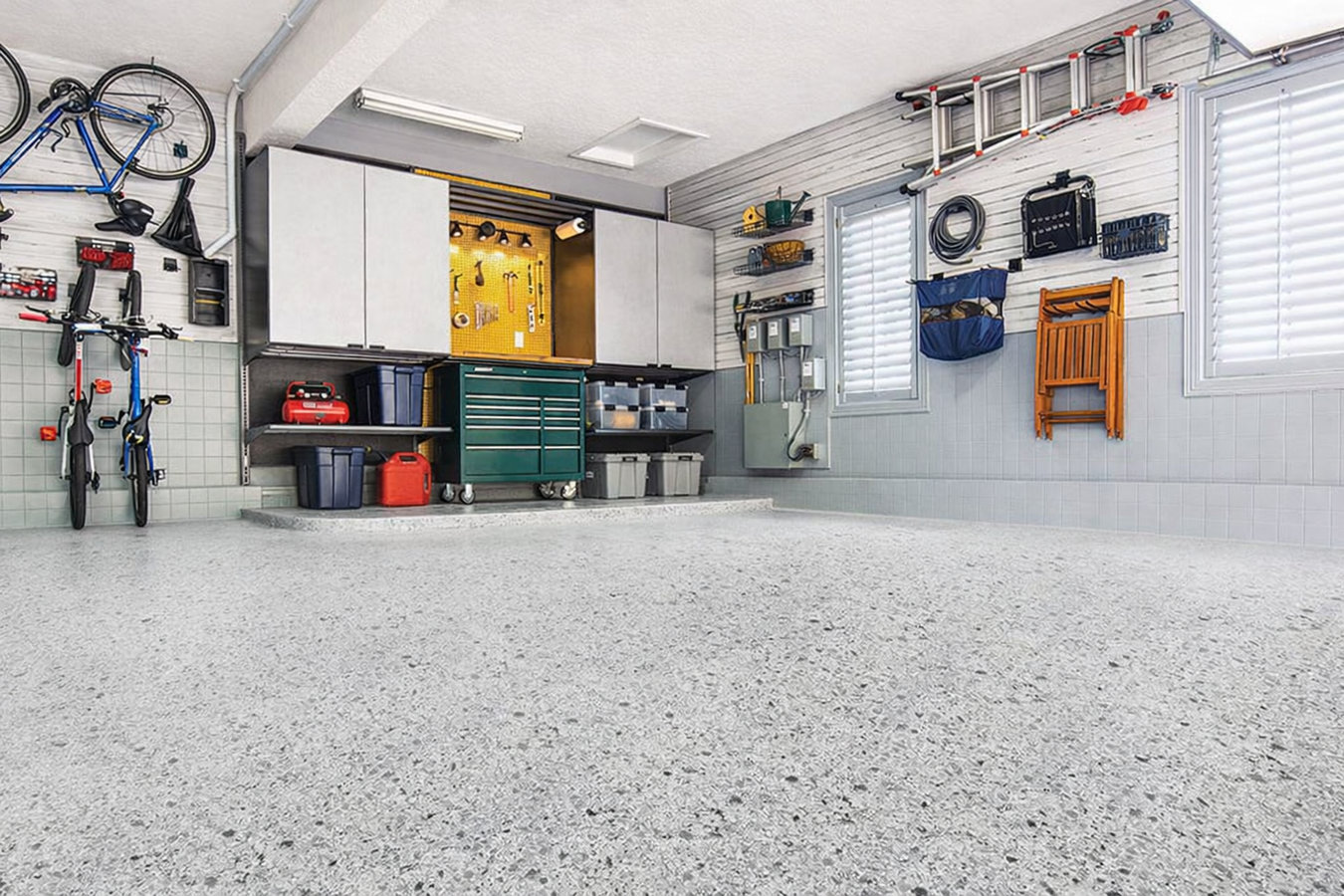
Cracked, crumbling, or uneven garage floor? A properly poured concrete slab handles daily vehicle traffic for decades - and we prepare the base for Castro Valley's shifting clay soils before a drop of concrete is poured.
Garage floor concrete in Castro Valley means removing the old slab, compacting the soil base for East Bay clay conditions, pouring a reinforced slab 4 to 5 inches thick, and finishing the surface - most jobs take one to two active work days, with a week of curing before you park on it.
If your garage floor has cracks that keep coming back, spots that sound hollow when you tap them, or a surface that crumbles when you sweep it, the floor itself is not always the problem. In Castro Valley and the broader East Bay hills, the clay-heavy soil underneath shifts with the seasons - swelling when wet, shrinking when dry - and a floor that was not built to handle that movement will fail faster than it should. A new pour that addresses the base is a very different job from patching what is already there.
If you are also thinking about what to do with the interior concrete beyond the garage, our concrete floor installation service covers interior slabs throughout your home or workspace.
Small hairline cracks are common and not always urgent. But if you notice cracks that are widening, spreading, or have edges sitting at different heights, the slab is moving. In Castro Valley, this usually means the clay soil underneath is shifting. Left alone, these cracks let water in, which speeds up the damage and can eventually affect the garage structure.
If the top layer of your floor is peeling away or leaving a rough, powdery surface when you sweep, the concrete has likely reached the end of its useful life. This is common in older Castro Valley homes where the original slab was poured with a thinner, less durable mix. A deteriorating surface damages tires and equipment and cannot be effectively sealed.
If water sits in puddles instead of draining toward the door, the floor has settled unevenly or was poured without the right slope. In Castro Valley winters, standing water in a garage seeps under the slab, accelerates cracking, and creates conditions for mold. A replacement can be poured with a proper slope built in so water drains naturally.
Walk across your garage and knock on the surface with your knuckle. A dull hollow sound in certain areas - rather than a solid thud - means the concrete has separated from the ground beneath it. Those hollow sections crack easily under the weight of a car. Delamination usually means the base has shifted or eroded and needs to be addressed before a new pour.
A standard garage floor pour - 4 inches thick with steel mesh reinforcement and a broom finish - is the right call for most Castro Valley homeowners. It handles daily passenger vehicles, tools, and storage without any extra cost. If you park heavier vehicles or use the garage as a workshop with heavy equipment, we can pour at 5 or 6 inches with rebar reinforcement for additional load capacity. Either way, we address the base preparation first, which is especially important given how Castro Valley soils behave through the rainy season. We also pair garage floor work with decorative concrete finishes for homeowners who want the floor to look as good as it performs.
For homeowners who want to take their garage further, we offer smooth trowel finishes that are easier to clean than broom-textured surfaces, as well as surface preparation for epoxy coatings applied after the concrete cures. Control joints are cut into every pour to guide any future cracking into predictable, straight lines rather than random fractures across the slab.
Best for working garages where traction and durability matter more than appearance.
Suits homeowners who want a cleaner-looking floor that is easier to sweep and maintain.
Right for garages that house RVs, heavy trucks, or workshop equipment beyond passenger cars.
For homeowners who plan to apply an epoxy coating or overlay after the concrete cures.
Castro Valley sits in the East Bay hills, and the soils here are clay-heavy - the kind that swell when saturated during the rainy season (November through March) and shrink when they dry out in summer. That seasonal movement is the main reason so many older Castro Valley garages have cracked or settled slabs. Most of the housing stock here was built between the 1950s and 1970s, which means original slabs are now 50 to 70 years old and were often poured without the reinforcement or base prep used today. Homeowners in neighborhoods near Hayward and San Leandro face the same soil conditions and find that a properly prepared replacement lasts far longer than successive repairs to a slab that was never set up correctly.
Alameda County also has permit requirements that apply to some slab replacement projects, particularly when drainage or grading changes are involved. We research permit requirements before any work begins and handle the paperwork so your project moves forward without bureaucratic delays. If your home was built before 1980, we will also let you know upfront whether any assessment is needed before the old slab is broken up.
Contact us and we respond within 1 business day to schedule a free on-site visit. We ask basic questions - garage size, current floor condition, and what you are hoping to end up with - so we come prepared.
We check the existing slab condition, soil and drainage, and whether Alameda County requires a permit for your project. You leave with a written estimate - no pressure to decide on the spot, no vague ballpark numbers.
We break out the old slab, compact and grade the soil underneath, add gravel if needed, and set up forms and reinforcement. This prep work is what determines how the floor holds up over the next 30 to 50 years.
We pour, smooth, and finish the slab to your chosen surface texture, cut control joints, and walk you through the finished project. You get clear guidance on curing time before parking, plus our contact information if anything comes up.
We respond within 1 business day. There is no obligation to move forward after your estimate. Once you submit, someone from our office will call to schedule a free on-site visit so we can give you an accurate written quote.
(510) 947-6192We hold the California C-8 Concrete Contractor license required for structural slab work, and we pull Alameda County permits when your project needs them. You are not left holding the paperwork risk.
Most garage floor failures in Castro Valley start underground, not on the surface. We compact and grade for the seasonal movement that clay soil goes through every year - so the slab you get today is not cracking within five years.
We work across 12 cities in Alameda and Santa Clara counties, including Castro Valley, Hayward, Fremont, and Oakland. That volume of local work means we understand what soil conditions, drainage patterns, and permit offices to expect on your project.
We do not quote garage floor jobs over the phone without seeing the space first. Base conditions, access, and existing slab thickness all affect the number. You get a written quote after a real site visit - not a number that doubles by the time work starts.
Every one of these points reflects a decision that affects your project outcome - not just our credentials. A contractor who gets the base right and pulls the right permits is doing a different job than one who does not, even if the finished surface looks the same on day one.
Add color, texture, or a stamped pattern to your garage floor or any exterior surface once the base slab is in place.
Learn moreInterior slab work throughout your home or commercial space, including basements, workshops, and additions.
Learn moreCastro Valley contractors book fast once dry weather hits - reach out now to lock in your estimate before the spring rush.