Serving Castro Valley, CA and surrounding areas. (510) 947-6192
Your home sits on its foundation. We install raised, slab, and perimeter foundations built for Castro Valley clay soil and Hayward Fault seismic requirements - with Alameda County permits managed from application to final sign-off.
Foundation installation in Castro Valley covers the full process of excavating, forming, reinforcing, and pouring a new foundation for a residential structure - most projects run one to three weeks of active work, with Alameda County permit review adding one to four weeks before the physical work begins.
Castro Valley neighborhoods built in the 1940s through 1960s are full of homes still sitting on their original foundations - foundations that were not designed to handle the kind of ground movement the Hayward Fault can produce, and that are now showing the effects of decades of clay soil expansion and contraction. Whether you are replacing an aging foundation, building from scratch, or upgrading a raised crawl-space foundation to meet current seismic standards, the process is similar: excavate, set the forms, place the steel, get the county inspection, pour, and cure.
For projects where you are building a new structure from the ground up, our slab foundation building service covers the full flat-slab process for ADUs, garages, and additions - a natural starting point if you are not yet sure which foundation type fits your project.
If doors or windows in your home have started sticking, jamming, or leaving visible gaps at the corners, that is often the structure shifting. In Castro Valley clay-heavy soil, the ground expands and contracts with the seasons, and over time that movement can push a foundation out of level. It is worth having a contractor look before the problem gets worse.
Small hairline cracks in drywall are normal in any home. But cracks wider than a pencil tip, diagonal cracks running from the corners of windows and doors, or cracks in your concrete floor or exterior stucco are worth taking seriously. These patterns often point to a foundation that is moving or settling unevenly underneath.
Many older Castro Valley homes have raised foundations with a crawl space underneath. If that space smells damp, shows standing water, or has wood that looks dark or soft, moisture is getting in. Over time, moisture destroys the wood framing that sits on top of your foundation - a common issue in the East Bay hills where winter rain saturates the soil around older structures.
Homes built in Castro Valley before modern earthquake codes were adopted were not designed to handle the ground shaking the Hayward Fault can produce. If your home is more than 40 years old and has never had its foundation evaluated or upgraded, that alone is worth a professional look - especially before any major renovation or sale.
We handle the complete scope: site assessment and written estimate, Alameda County permit application, excavation around or beneath your home, steel reinforcement placement, county inspection coordination, the concrete pour, curing period management, final inspection, and documented sign-off. The permit is issued in your name as the property owner, and you receive copies of all signed inspection records when the job is closed out.
For projects that extend beyond the foundation itself, our concrete parking lot building service handles adjacent flatwork for commercial or multi-unit projects. For straightforward new-build slabs, our slab foundation building service is the right starting point if your project is an ADU, garage, or room addition.
Suits older Castro Valley homes being brought up to current seismic standards - replaces or reinforces the perimeter foundation and crawl space structure below the floor.
A flat concrete base poured directly on prepared ground - the most common choice for new ADUs, garages, and room additions in Castro Valley.
Used for structures where the load is carried around the perimeter rather than across the full floor - common in light commercial and outbuilding projects.
For homes where the original foundation has deteriorated, shifted, or no longer meets current earthquake safety standards - full excavation and rebuild.
Castro Valley sits close to two active fault lines - the Hayward Fault a few miles to the west and the Calaveras Fault further east. California requires foundations in this region to be built to seismic standards that reflect those risks, which means more steel, stricter inspection checkpoints, and specific connections between the concrete and the wood framing above. These are not optional additions - they are what the Alameda County inspector checks for, and they are what protects your home if the ground moves. The California Geological Survey maps fault zones and seismic hazards across the state and is a useful reference if you want to understand your property's specific context. The California Contractors State License Board maintains a free license lookup tool to verify any contractor before you hire.
The clay-heavy soils in Castro Valley add a second layer of complexity. Clay expands with winter rain and shrinks in dry summers - a cycle that puts constant stress on foundations not designed for it. Many of the homes in Castro Valley neighborhoods developed between the 1940s and 1960s are still on their original foundations, which were built before current seismic codes and without modern moisture management. We regularly work in Castro Valley and serve adjacent communities including Livermore and Pleasanton, where similar soil and seismic conditions apply across the Tri-Valley.
We schedule an on-site visit before quoting - foundation work varies too much from lot to lot in Castro Valley to give accurate numbers over the phone. The visit takes 30 to 60 minutes, costs nothing, and results in a written estimate that breaks down exactly what the project involves.
Once you agree to move forward, we handle the Alameda County permit application on your behalf. Review typically takes two to four weeks. We build that lead time into the schedule from day one so you always know where the project stands.
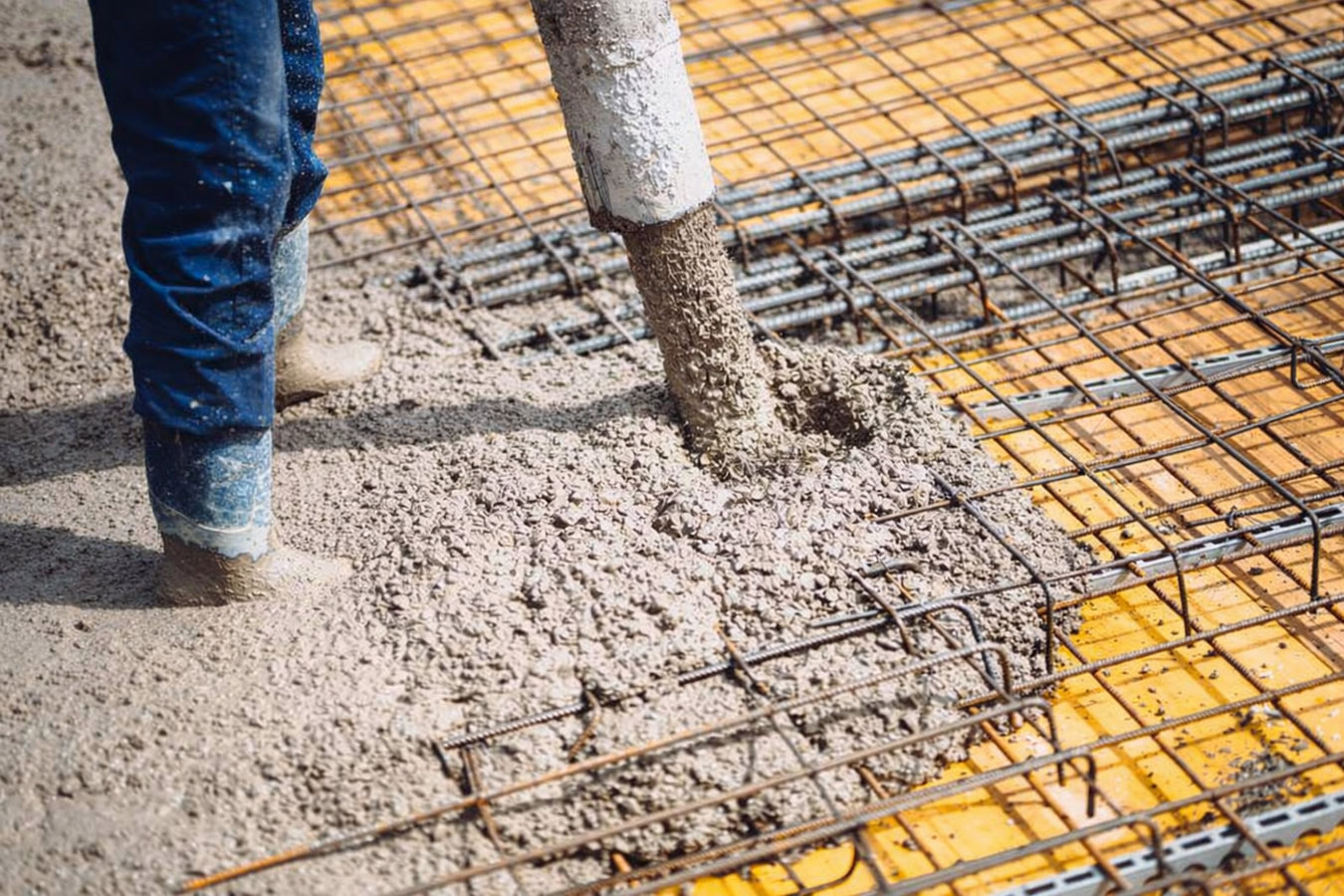
The crew excavates, sets forms, places the steel reinforcement, and prepares the site for the pour. An Alameda County inspector visits at this stage - before any concrete is placed - to verify the work meets the approved plans. This inspection is required and cannot be skipped.
The pour happens in a single day for most projects. The concrete then needs time to cure - typically at least a week before framing begins, up to 28 days for full strength. The county final inspection closes the permit, and we walk you through the finished work before we leave.
We respond within 1 business day. No commitment required - just an honest assessment and a written price for your Castro Valley property.
(510) 947-6192The Hayward Fault is a few miles from most Castro Valley homes, and we build every foundation to California seismic requirements - not just enough to pass inspection, but enough to actually protect your home. That means the right amount of steel, the right footing depth, and the right connections between the concrete and the framing above.
Foundation work in Castro Valley is permitted and inspected through the county rather than a city department. We handle the full application process, coordinate every inspection, and make sure the permit is in your name with documented sign-off - the paperwork that matters when you sell or refinance.
Contractors unfamiliar with the East Bay sometimes underestimate how much clay soil affects foundation design. We account for soil movement in every project we take on in this area - deeper footings, drainage management, and reinforcement that reflects local ground conditions, not a generic spec.
Foundation projects in Castro Valley involve permit lead times, inspection windows, and weather considerations that can affect your schedule. We build all of that into the estimate upfront - so the number you see on paper reflects the project you are actually signing up for.
A foundation is the one part of your home that cannot be easily redone. We build to a standard that holds up for decades in this specific area - clay soil, seismic zone, and wet winters included - and we document every step so you have the record to prove it.
For commercial or multi-unit residential projects where the foundation work extends to a parking area, we bring the same permitted, reinforced approach to the full concrete scope.
Learn moreFor ADUs, room additions, and new garages where a flat slab is the right foundation type, our slab foundation service covers the complete process under one permit.
Learn moreOur dry-season calendar fills up fast - reach out now to lock in your project window before the rainy season limits your options.