Serving Castro Valley, CA and surrounding areas. (510) 947-6192
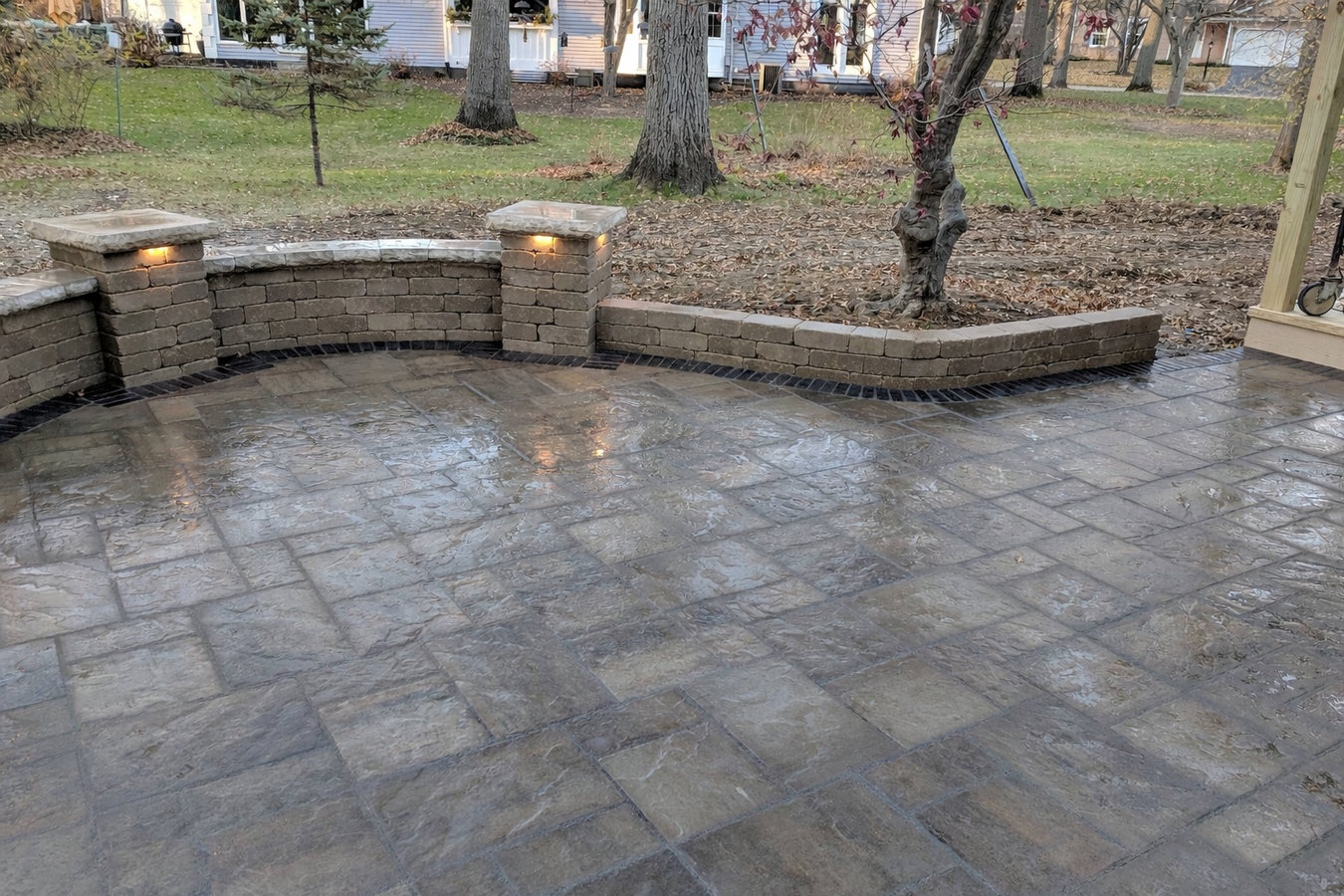
Plain gray concrete does not have to be the default. Stamped patterns, color staining, and overlays transform driveways, patios, and walkways - and we build for Castro Valley soil conditions so the result lasts.
Decorative concrete in Castro Valley uses color, texture, or pattern - through stamping, staining, or overlays - to turn a plain slab into something that looks like stone, brick, or tile; most residential projects take one to three days and the surface can handle foot traffic within 48 hours.
Decorative concrete works on new pours and existing surfaces. If your patio or driveway is structurally sound but faded, stained, or just looking tired, a stain or overlay can refresh the whole thing without tearing out what is already there. If you are starting from scratch - adding a new patio, extending a walkway, or replacing a failed driveway - decorative options are built into the pour from the beginning. In Castro Valley, where the housing stock skews older and curb appeal matters in a competitive East Bay real estate market, a well-finished concrete surface adds to the value of the home. For homeowners interested in a specific stamped pattern, our stamped concrete services page covers that process in more detail.
One important distinction: decorative work is only as good as what is underneath it. An overlay applied over a cracked or shifting slab will not last. We assess the condition of your existing concrete before recommending any finish, and we address the base first if replacement is the smarter call.
If cracks in your driveway or patio have grown noticeably over the past year or two, the surface is shifting - often due to Castro Valley's expansive clay soils. Small hairline cracks can sometimes be addressed with an overlay, but wider or uneven cracks usually mean the base needs attention before any decorative work makes sense. A site visit will tell you which situation you are dealing with.
If your patio or driveway has lost its color, has oil stains that will not wash out, or looks worn compared to the rest of your home, that is a strong candidate for a decorative refresh. Staining or an overlay can dramatically change the look of a surface that is structurally sound but visually past its prime. This is one of the most common reasons Castro Valley homeowners call us.
If water sits in low spots after rain instead of draining away, your concrete has likely settled unevenly. In Castro Valley, clay soil movement and hillside terrain make this common. Standing water accelerates surface damage and can affect nearby landscaping or the foundation. A new pour can be graded to drain properly from the start.
If you are building a new patio, extending an existing one, or creating an outdoor dining area, plain gray concrete is a missed opportunity. Decorative concrete ties the new surface into your home's style - matching exterior colors, echoing a stone or tile look, or simply giving the space a finished, intentional appearance.
The three main paths for decorative concrete are stamped concrete (pressed with a pattern while the slab is wet), stained concrete (color soaked into the surface or applied as a coating), and overlays (a thin decorative layer applied over existing concrete in good condition). Each creates a different look and suits different situations. Stamped work gives you the most design flexibility - stone, brick, slate, and wood-plank patterns are all common - and works best on new pours. Staining is ideal for existing slabs that are structurally sound but visually tired. Overlays bridge the gap when you want a fresh look without a full tearout. All three can be paired with our concrete retaining wall work if your property includes hillside elements that need a coordinated finish.
A quality sealer is applied at the end of every decorative concrete job - it is not an optional add-on. The sealer locks in the color and protects the surface from rain, stains, and the freeze-thaw cycles that occasionally affect the Bay Area in winter. We also specify the right mix and base preparation for Castro Valley soil conditions, which is what separates a finish that looks great for 25 years from one that starts showing wear in the second winter.
Best for new pours where you want a stone, brick, or tile pattern pressed into the surface while wet.
Suits existing slabs in sound condition that need color refreshed or a new tone applied without full replacement.
Right for surfaces that are structurally intact but visually worn - a thin resurfacing layer changes the look without a tearout.
For homeowners who want a clean, polished look that protects the concrete without adding color or texture.
Castro Valley sits in the East Bay hills on clay-heavy soils that expand when wet and contract when dry. That seasonal movement is the main reason decorative surfaces fail ahead of schedule - not the decorative work itself, but the base beneath it. A stamped patio that was poured without accounting for the movement in Castro Valley soil will crack through the pattern within a few years. Getting the base right before any decorative work begins is not extra effort - it is the job. Homeowners near Fremont and Oakland deal with similar soil and climate conditions, and the same preparation standards apply across the region.
Timing matters too. The Bay Area rainy season runs roughly November through March, and decorative concrete - especially stamped work - does not cure well in cold or wet conditions. Rain on a freshly stamped surface before it sets can damage the pattern and affect color uniformity. The practical window here is late spring through early fall, and spring slots fill up fast. If you are planning a summer project, reaching out in February or March gives you the best shot at a good installation window. Castro Valley also falls under Alameda County jurisdiction for permits, and we handle that research and paperwork before any work begins. The California Contractors State License Board requires any contractor doing over $500 in work to hold an active license - a check worth making before you sign any contract.
Contact us and we respond within 1 business day to schedule a free site visit. We look at the existing surface, the slope of the lot, and site access before giving you any number - phone ballparks on decorative work are rarely accurate.
Once you decide to move forward, we walk through pattern, color, and finish options that suit your home and budget. This is the time to ask questions - about how the color looks in different light and what maintenance looks like. Changing your mind after the work starts is expensive.
We prepare the base or clean the existing surface, then apply the color, stamp, or overlay. For stamped work, timing is critical and the crew moves quickly while the concrete is wet. Plan to stay out of the work area during this phase.
After the decorative work sets, we apply a clear sealer over the entire area, clean up, and walk you through the finished project. You get clear guidance on when the surface is safe to walk on and when vehicles can return - typically 24 to 48 hours and one week, respectively.
We respond within 1 business day and there is no obligation after your estimate. Once you submit, someone from our office will call to schedule a free on-site visit so we can see your space and give you an accurate written quote.
(510) 947-6192Decorative finishes fail when the ground underneath moves. We compact and grade for the seasonal swelling and shrinking that East Bay clay soils go through every year - so the surface you invest in does not crack through the pattern before the second winter.
Your quote specifies the square footage, the finish and color, whether old concrete removal is included, the sealer type, and the payment schedule. No verbal agreements and no numbers that change when work starts. The American Concrete Institute sets the standards we follow for mix and curing.
We serve 12 cities across Alameda and Santa Clara counties. That volume of East Bay work means we understand local soil profiles, hillside drainage, HOA permit requirements, and the Alameda County permitting office - all of which affect decorative concrete projects in Castro Valley.
Quality differences in decorative concrete show up in year two and three - not day one. We can show you completed projects that have been through multiple Bay Area rainy seasons so you can see how the color and surface hold up, not just how they look fresh from the pour.
The difference between decorative concrete that lasts 25 years and work that starts failing by year three comes down to base preparation, the right mix for this climate, and a quality sealer applied correctly at the end. That is what we focus on before anyone starts talking about pattern options.
Hillside properties often need retaining walls and decorative finishes to work together - we handle both as part of the same project.
Learn moreIf a specific stamped pattern is what you have in mind, this page covers the full range of patterns, colors, and base options we install.
Learn moreCastro Valley contractors book up once dry weather arrives. Reach out today and we will get your free on-site estimate scheduled before the season fills up.